Deloitte refunds part of an A$440,000 report after AI-made errors
A university researcher found references that didn't exist. The consulting firm had used AI to draft parts of a report for the Australian government.
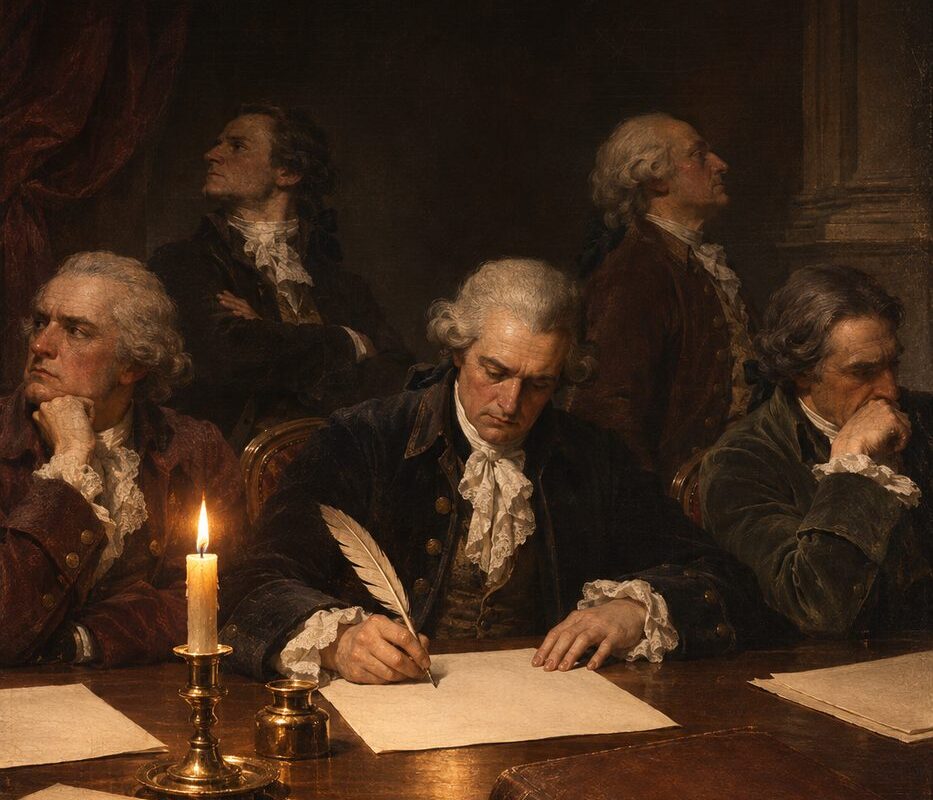
In 2025, Deloitte Australia delivered a report to the country’s Department of Employment and Workplace Relations. The contract was worth about A$440,000, roughly US$290,000. The report reviewed the IT system the government uses to penalize welfare recipients automatically.
What went wrong
A researcher at the University of Sydney read the report closely and noticed something odd. Several of the academic papers it cited did not exist. One quote was attributed to a court judgment that never said it.
The references looked real. They had authors, titles and the right format. They were simply made up, which is exactly what large language models do when they fill a gap with something that sounds right.
What Deloitte did
Deloitte published a corrected version of the report. In it, the firm disclosed that it had used a generative AI tool while drafting. It agreed to refund the final payment of the contract. The department said the report’s main findings did not change.
The firm wasn’t caught by its own review or by the client. It was caught by an outsider who read the footnotes.
Why it matters
This is not a story about a bad tool. The tool did what it always does. The checking step is what disappeared: nobody on the team opened the sources before the report went out under the firm’s name.
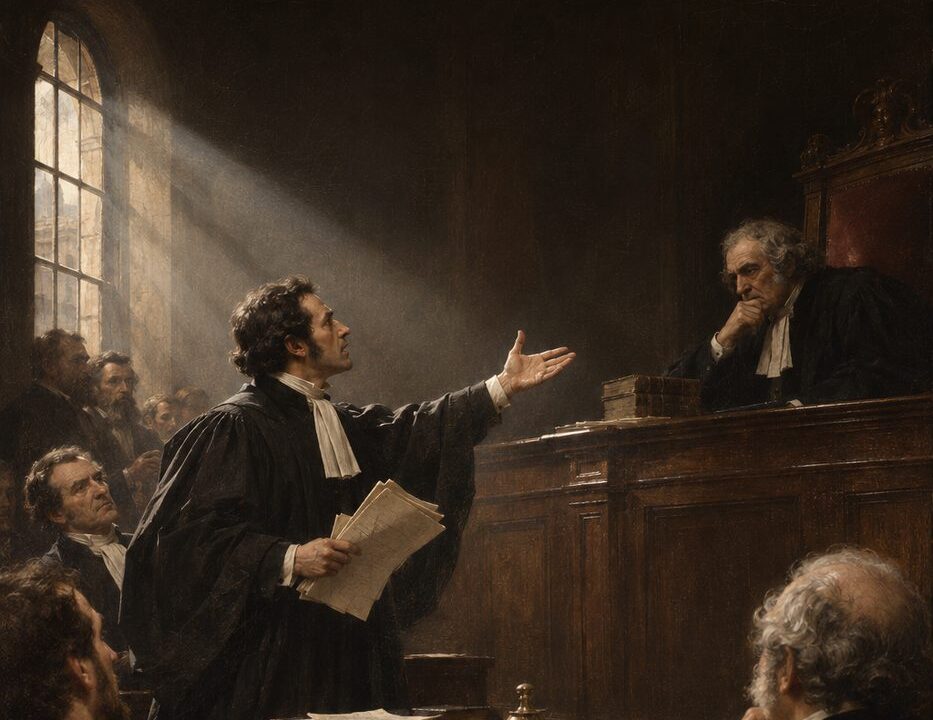
The same pattern shows up in courts, where lawyers keep submitting cases that AI invented, and in hospitals, where a sepsis alarm ran for years before anyone tested it independently.
The 60-Second AI Double-Check
7 questions to ask before you send anything AI wrote.
Get it freeWhat to do with this
If AI drafted something you’re about to send, open two of its sources. If one of them doesn’t exist, check everything.